Factory Setup Logistics Vietnam: The Ultimate Guide to Shipping & Relocation
Establishing a factory in Vietnam requires precise logistics, strict customs compliance, and heavy cargo handling. THT LOGISTICS offers end-to-end support to ensure a seamless transition.
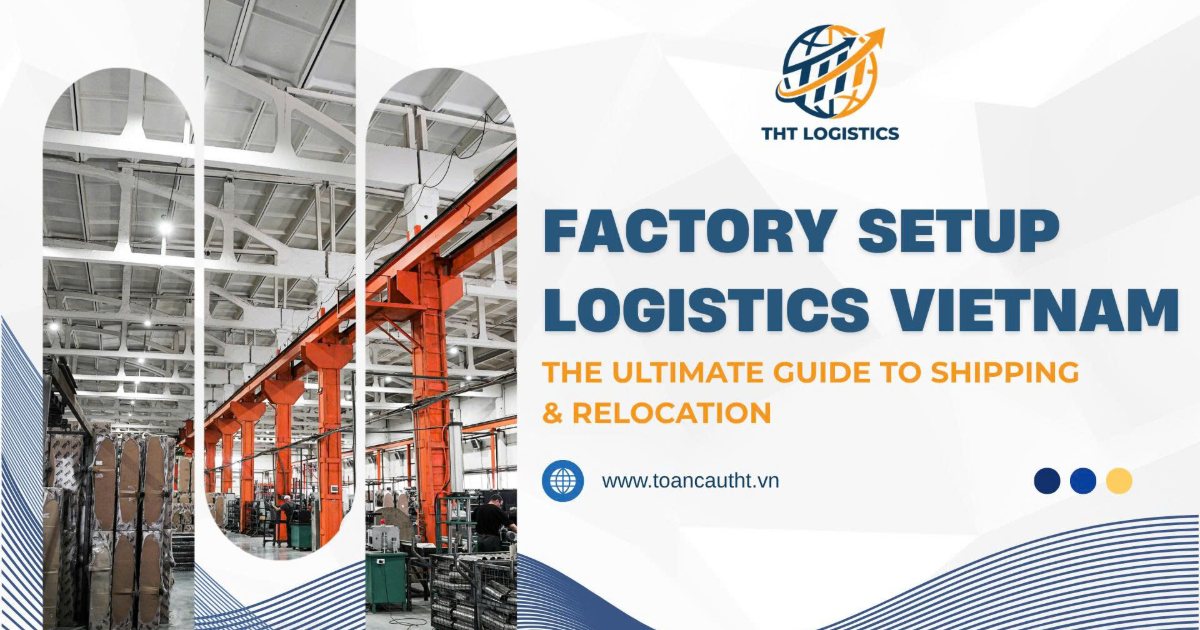
As global companies continue to expand and diversify their manufacturing footprints, setting up a factory in Vietnam has emerged as a premier strategy for industrial investment in Southeast Asia. However, establishing a modern manufacturing base presents a complex set of supply chain and operational challenges. From managing heavy project cargo to navigating local customs regulations, executing a seamless factory setup logistics in Vietnam is vital to ensuring operational readiness without incurring costly delays.
Through this comprehensive, THT LOGISTICS guide explores best practices, regulatory requirements, and step-by-step strategies for setting up a factory in Vietnam shipping and relocating production line to Vietnam.
Why Vietnam is a Global Manufacturing Hub
Vietnam’s strategic location in the heart of Southeast Asia, extensive coastline, proximity to major Asian shipping lanes, and participation in numerous Free Trade Agreements (FTAs)—such as the EVFTA, CPTPP, and RCEP—make it an attractive destination for foreign direct investment (FDI).
However, moving heavy machinery and setting up complex manufacturing operations requires specialized logistical planning tailored to Vietnam’s infrastructure and legal framework.
I. Shipping Machinery & Equipment: Setting Up a Factory in Vietnam Shipping
When planning setting up a factory in Vietnam shipping, managing Project Cargo and heavy industrial equipment requires careful classification and logistics coordination.
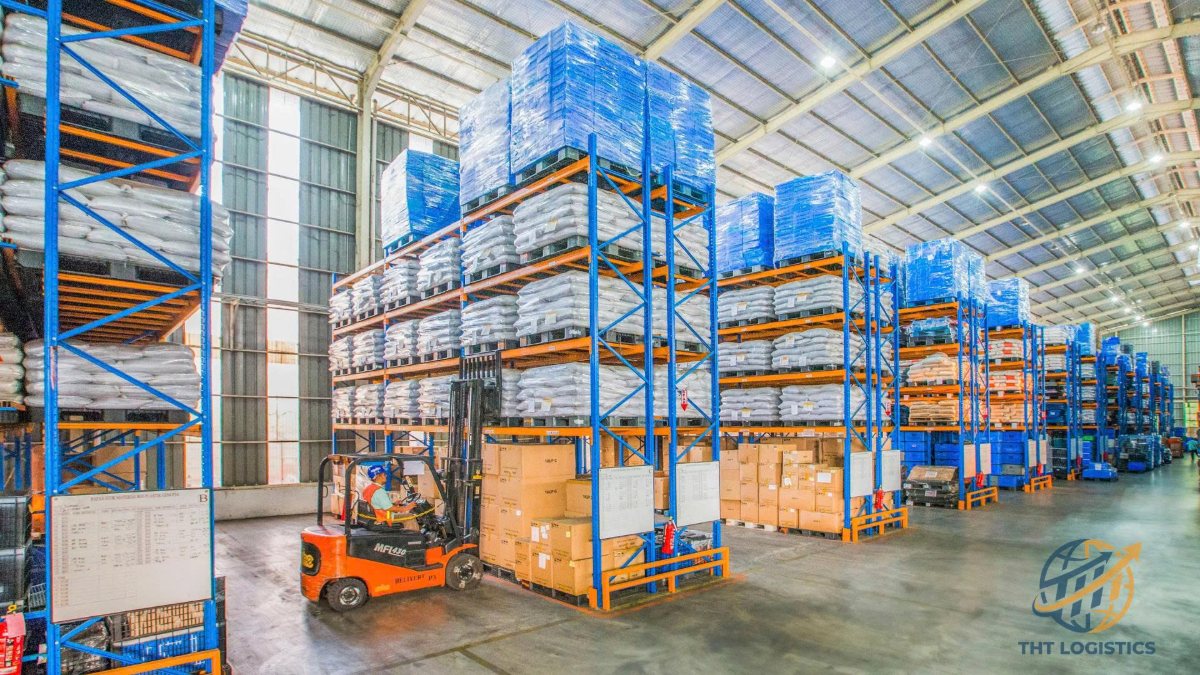
A. Equipment & Container Classification
- Standard Machinery: Shipped using standard dry containers ( 20ft / 40ft) or specialized High Cube containers.
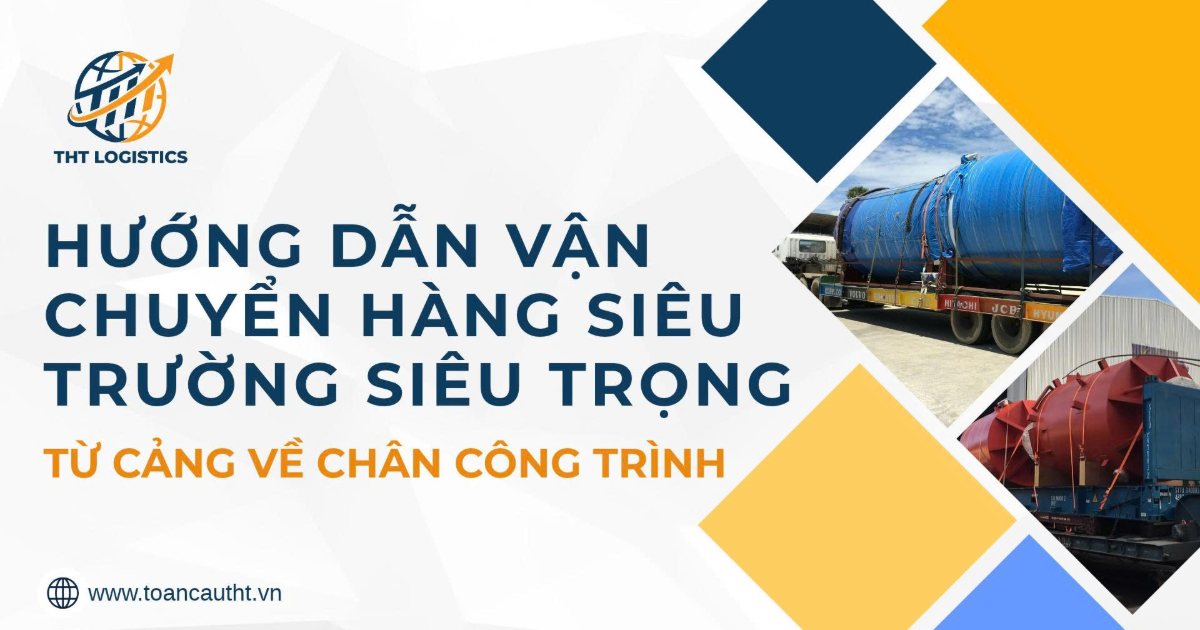
- Overdimensional & Heavy Cargo: Requires Open Top, Flat Rack containers, or Breakbulk/Ro-Ro (Roll-on/Roll-off) shipping for out-of-gauge (OOG) machinery.
B. Customs Clearance & Tariff Incentives
Duty Exemptions: Foreign investors creating fixed assets under approved investment projects (especially within Industrial Zones or designated economic areas) may qualify for import tax exemptions on machinery and equipment.
Used Machinery Regulations (Decree 18/2019/QD-TTg): If importing second-hand machinery, equipment must generally be under 10 years old and comply with Vietnamese safety, energy efficiency, and environmental protection standards. Specialized inspections and age-verification certificates are mandatory prior to customs release.
II. Step-by-Step Process: Relocating Production Line to Vietnam
Relocating production line to Vietnam is more than just cargo movement; it is an integrated engineering and logistics operation.
1. Surveying & Tagging
Phase 1: Site Survey & Origin Dismantling
Conduct thorough technical surveys at the origin plant. Every component must be systematically tagged, cataloged, and packed into detailed Packing Lists matching local customs declarations.
2. International Transport
Phase 2: Ocean & Multimodal Freight
Select optimal maritime routes to key Vietnamese ports (e.g., Hai Phong Port in Northern Vietnam or Cat Lai / Cai Mep Ports in Southern Vietnam). Coordinate with local freight forwarders to ensure smooth port handling and customs clearance.
3. Inland Transport & Unloading
Phase 3: Last-Mile Delivery & Heavy Rigging
Survey inland transport routes from port to Industrial Zone (evaluating bridge weight limits, overhead clearances, and road permits). Utilize heavy-duty cranes, hydraulic platform trailers, and specialized rigging gear to position equipment inside the factory floor.
4. Reinstallation & Testing
Phase 4: Assembly & Commissioning
Work alongside specialized technical teams to reassemble, align, connect utility lines (power, air, water), and run test trials before full production rollout.
III. Optimizing Inland Logistics & Supply Chain Networks
Once your factory setup is complete, establishing an efficient operational supply chain is vital for daily manufacturing:
- Industrial Zone (IZ) Selection:
Northern Vietnam: Ideal for electronics and automotive supply chains, offering direct highway connections to China's border, Hai Phong Port, and Noi Bai International Airport.
Southern Vietnam: A hub for textiles, furniture, FMCG, and high-tech manufacturing, anchored by Cai Mep deep-water port and Cat Lai Port.
- Inbound Raw Material Logistics: Establish Vendor-Managed Inventory (VMI) or bonded warehousing near manufacturing hubs to ensure a continuous supply of raw materials.
- Outbound Logistics & Export Management: Partner with experienced 3PL/4PL logistics providers to secure vessel space and streamline container drayage for export markets.
IV. Key Risk Mitigation Strategies for Investors
Conclusion Successfully navigating factory setup logistics in Vietnam requires a well-planned combination of heavy freight management, regulatory compliance, and local transport execution. Whether you are setting up a factory in Vietnam shipping essential capital goods or relocating production line to Vietnam entirely, partnering with experienced local logistics specialists ensures a seamless transition into Southeast Asia’s booming manufacturing landscape.
| Focus Area | Key Consideration |
| Logistics Provider Selection | Partner with 3PL/4PL providers with proven project cargo experience and in-depth knowledge of Vietnamese customs regulations. |
| Comprehensive Insurance Cover | Secure Marine Cargo and Erection All Risk (EAR) insurance covering dismantling, transit, rigging, and installation. |
| Compliance & Permits | Ensure Fire Fighting & Prevention (PCCC) approvals, environmental permits, and tax incentive registrations are secured prior to shipment arrival. |
V. Frequently Asked Questions (FAQ)
Q1: What are the main ports for importing industrial machinery into Vietnam?
The primary ports for industrial machinery and project cargo in Vietnam are Hai Phong Port (serving Northern industrial hubs like Bac Ninh, Hai Duong, and Quang Ninh) and Cat Lai Port / Cai Mep Deep-Water Port (serving Southern hubs like Dong Nai, Binh Duong, and Long An).
Q2: Can secondhand equipment be imported when relocating a production line to Vietnam?
Yes, under Decree 18/2019/QD-TTg, secondhand machinery can be imported into Vietnam provided it is under 10 years old, meets Vietnamese safety and environmental standards, and passes mandatory age-verification inspection before customs clearance.
Q3: How long does customs clearance take for factory setup machinery in Vietnam?
With complete documentation—including import tax exemption registration, packing lists, and inspection certificates—customs clearance for factory setup machinery typically takes 3 to 7 business days after vessel arrival.
VI. Conclusion
Successfully navigating factory setup logistics in Vietnam requires a seamless combination of heavy freight management,regulatory compliance,and local transport execution.Whether you are shipping individual machinery or relocating an entire production line to Vietnam, partner with THT LOGISTICS to ensure a smooth transition into Southeast Asia’s booming manufacturing landscape.
24/7 Hotline: 0899.685.222
Email: info@toancautht.vn
Explore our service capabilities: THT LOGISTICS Company Profile
Head Office (HCMC): No. 19, Street 32, Rio Vista, Phuoc Long Ward, Ho Chi Minh City
Hanoi Office: No. 26, Duong Dinh Nghe Street, Yen Hoa Ward, Hanoi City